If you've noticed your organic traffic slipping over the past year, you're not alone. Search behavior is changing, and many ecommerce businesses are seeing the impact. Strategies that once delivered consistent rankings and clicks are producing different results. This often isn't due to poor execution but to how people discover information, products, and brands online, a process that continues to evolve.
One visible shift is the rise of AI-powered search experiences. Platforms like ChatGPT, Perplexity, and Google's AI Overviews are reshaping how answers are delivered and how visibility is earned. The challenge is learning how to optimize for both traditional search engines and AI-driven discovery without spreading resources too thin.
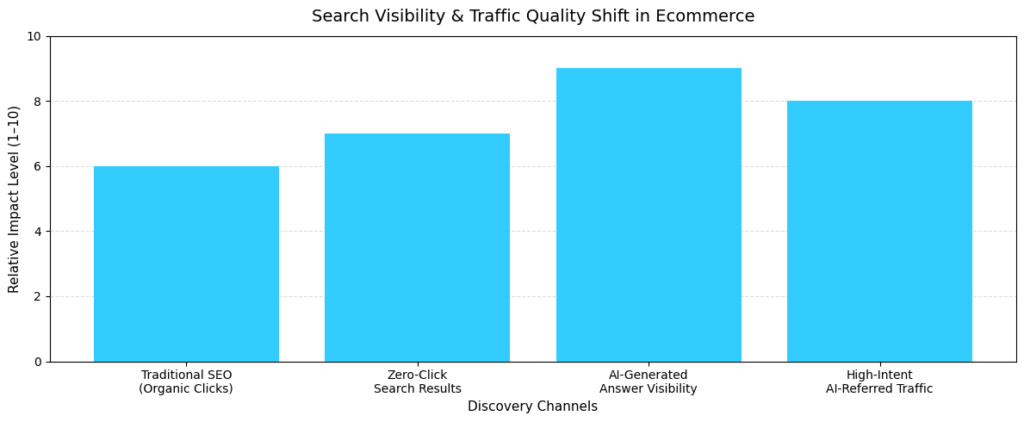
This bar graph compares how search visibility may be evolving across different channels. Traditional organic clicks reflect one metric of SEO impact, while zero-click results show instances where users find answers directly on search pages. AI-generated answer visibility represents potential citation opportunities in AI responses. High-intent AI-referred visitors suggest potential differences in traffic quality, as some users arriving from AI platforms may have already gathered preliminary information. The visualization illustrates how ecommerce visibility strategies may need to account for multiple discovery paths, not just traditional click volume.
Search in 2026 is no longer defined by a simple query-and-click model. Users increasingly expect instant, synthesized answers rather than lists of blue links. Traditional search engines still matter, but their role appears to be shifting toward validation and deeper research, while discovery and decision-making often happen earlier inside AI-powered interfaces. Zero-click searches, featured snippets, and AI summaries mean that visibility is increasingly about being included in answers, not just ranked on a page.
At the same time, AI-driven platforms are changing how trust is formed. Generative engines pull from a wide range of sources, such as websites, reviews, forums, and authoritative publications, to construct responses. This means ecommerce brands may need to think beyond their own sites. Customers are still searching in large numbers, but their journey can be fragmented across ecosystems where relevance, credibility, and clarity help determine whether your brand is surfaced at all.
Generative Engine Optimization is the practice of structuring and distributing content so AI-powered search engines can more easily understand, trust, and reference your brand within their generated answers. Rather than competing for rankings on a results page, GEO focuses on visibility inside the response itself, where users increasingly make decisions.
For example, when someone asks ChatGPT or Perplexity, "What's the best WooCommerce plugin for abandoned cart recovery?" GEO can increase the likelihood that your product is mentioned as a recommended solution. This visibility can matter even if the user never clicks a traditional search result, because the recommendation itself may influence purchasing decisions.
The fundamental difference lies in the end goal and how visibility is measured:
Traditional SEO focuses on:
GEO focuses on:
Many websites are experiencing noticeable changes in traditional search traffic patterns. While specific numbers vary by industry and site, discussions in industry forums and professional groups indicate traffic shifts. Industries such as technology, travel, and retail appear to be experiencing some of the more visible changes as search behavior continues to evolve.
At the same time, traffic coming from AI-powered search platforms can show different engagement patterns. These visitors may spend more time on sites when they arrive informed, having already reviewed AI-generated summaries. This shift highlights a potential move away from volume-based metrics toward a focus on traffic quality and buyer readiness.
A technical note: Measuring this shift accurately presents challenges. Traditional analytics platforms often don't distinguish between AI-referred traffic and direct traffic, and attribution becomes murky when users interact with multiple search types during their journey. Consider implementing UTM parameters to test how users arrive from AI platforms, though this only captures explicit referrals. You'll need to create distinct campaign parameters for each AI platform you want to track, for example, utm_source=chatgpt&utm_medium=ai_referral and append them to any links you control in spaces where AI might reference you. The limitation is that organic AI citations won't include these parameters unless the AI is trained to do so, which isn't standard behavior.
For ecommerce businesses, the opportunity isn't necessarily choosing between GEO and SEO. It's understanding how they can work together across the modern buyer journey. Traditional SEO still plays a role in driving discoverability, credibility, and long-term authority. At the same time, GEO can help your brand remain visible in AI-driven environments where some purchase decisions now begin. When combined, these strategies create multiple entry points for customers, regardless of how or where they search.
SEO builds the foundation: crawlability, trust, content depth, and technical performance. GEO builds on that foundation by potentially extending your reach to AI-generated answers, summaries, and recommendations. Brands that integrate both approaches may be better positioned to capture early discovery through AI and later-stage validation through traditional search results.
Many optimization practices can benefit both strategies:
Rather than duplicating effort, integration allows your existing SEO work to support GEO visibility with relatively small adjustments.
While SEO and GEO overlap, integration does involve expanding your optimization mindset:
By aligning SEO fundamentals with GEO-specific tactics, ecommerce brands can work toward maintaining traffic stability today while preparing for how customers may search, compare, and decide in the years ahead.
Adapting to this search environment doesn't require abandoning what already works. It involves expanding and refining it. Ecommerce businesses that navigate this transition will likely be the ones that treat SEO and GEO as part of a unified visibility strategy. The goal is to understand where your brand is currently being discovered, where it might be missing, and how to strengthen signals across both traditional search engines and AI-driven platforms.
Instead of chasing every new tactic, focus on fundamentals that compound over time. Clear product information, authoritative content, and consistent third-party signals can help both algorithms and AI systems interpret your brand correctly. The key is being intentional, optimizing not just for rankings but for relevance, trust, and citation-worthiness wherever customers search.
Start by understanding where you already appear:
Implementation tip: Create a spreadsheet listing 10-15 common customer questions about your products. Test each one across multiple AI platforms and document whether your brand appears, how it's positioned, and what competitors are mentioned. This baseline helps you identify gaps in your AI visibility. Run these tests weekly for the first month to account for model updates and response variability. AI outputs can shift as platforms retrain or adjust their algorithms, so a single snapshot isn't reliable for long-term tracking.
Your product pages should serve both traditional search and AI discovery:
A WordPress/WooCommerce-specific note: If you're using WooCommerce, the default product schema markup is a starting point, but you'll often want to enhance it with additional Product schema properties like aggregateRating, review, and offers.availability. For complex products with variations, check whether your schema accurately represents all options. AI systems may pull incomplete information if your structured data only reflects the default variation. Products with multiple sizes or color variations often have a schema that references only the first variation's SKU and price, leading the AI to receive incorrect data about what's actually available. You can verify this by viewing your page source and searching application/ld+json to see exactly what schema is being output, then cross-reference it against what your product actually offers.
Since AI engines often rely on third-party sources:
Watch for: Review platforms can be unpredictable in how AI systems weigh them. In testing, we've seen AI cite G2, Capterra, and Trustpilot reviews more frequently than Amazon reviews for B2B products, but for consumer products, the opposite pattern holds. Monitor which review sources appear in AI responses for your category specifically. The pattern also varies by AI platform. ChatGPT tends to reference Reddit and Quora discussions more often than Perplexity does, whereas Perplexity places greater weight on verified review platforms.
Focus on content that might become an authoritative source:
The freshness challenge: In practice, keeping content current is harder than it sounds, especially for ecommerce businesses with large catalogs. Prioritize updating your top-performing pages first, typically your best-selling products and highest-traffic content. For WooCommerce stores, product inventory and pricing changes should ideally trigger automatic updates to the last-modified date in your sitemap, though not all themes handle this correctly by default. You can check if your setup is working properly by comparing the lastmod dates in your XML sitemap against your actual product update timestamps in the WordPress admin. If they don't match, you may need to adjust your SEO plugin settings or add a custom function to force the sitemap to regenerate when products are updated.
While adapting to AI search, maintain your SEO foundations:
As search behavior evolves, the way you measure performance should evolve with it. Relying solely on traditional SEO metrics like rankings and raw organic traffic no longer provides a complete picture. In a hybrid search environment, visibility spans search engines, AI-generated answers, and third-party platforms, many of which never result in a direct click. Measuring performance now involves connecting visibility, engagement, and conversion quality across multiple discovery paths.
This shift also means placing greater emphasis on intent and impact rather than volume alone. A smaller number of highly qualified visitors arriving from AI platforms can be more valuable than larger volumes of low-intent traffic from traditional search. The goal is to understand how each channel contributes to awareness, trust, and revenue and to adjust strategy based on real business outcomes, not vanity metrics.
These indicators still matter and provide baseline signals:
To understand performance in AI-driven discovery, you might track:
The measurement problem: Full transparency here, accurately measuring AI visibility is still evolving. Unlike traditional search, where you can check rankings daily, AI responses can vary based on context, user history, and recent model updates. Manual testing remains one of the more reliable methods, though it's time-intensive. Some enterprise tools are beginning to offer AI visibility tracking, but these are still in their early stages and may not capture the full picture. The variability is significant enough that you'll see different results when testing the same query across different accounts, geographic locations, or even times of day, as models are updated.
The shift toward AI-driven search appears to be accelerating. As users grow more comfortable with AI-generated answers, their first interaction with a brand may increasingly occur within these tools rather than on a search results page.
This doesn't necessarily signal the end of traditional search, but potentially a rebalancing of its role. Search engines will likely continue to support validation and deeper research, while AI platforms may take on more early discovery and comparison functions. Ecommerce businesses that begin adapting now gain time to test, refine, and build authority across both environments. Those who wait might find themselves reacting when AI visibility becomes more widely expected.
As ecommerce businesses adjust to AI-driven search, many stumble by reacting too aggressively or focusing on the wrong signals. One risk is treating GEO as a replacement for SEO instead of an extension of it. Visibility today often depends on balancing strong fundamentals paired with thoughtful adaptation.
Key pitfalls to watch for include:
Over-optimizing for AI at the expense of SEO. You still need traditional search visibility. Don't abandon proven SEO tactics while pursuing AI citations.
Ignoring third-party platforms. Many businesses focus exclusively on their own website, overlooking the fact that AI often cites external sources more frequently.
Keyword stuffing for AI. Early testing suggests this approach has little positive effect in generative search and may actually reduce visibility by making content less natural. Pages with obvious keyword repetition performed worse in AI citations than pages written conversationally, even when both covered the same topic with similar depth.
Neglecting content freshness. Outdated information can harm both your traditional search rankings and your AI-citation worthiness.
Forgetting about user experience. Whether visitors arrive from traditional search or AI citations, they still need a good experience once they reach your site. Slow-loading WooCommerce stores with poorly optimized images or heavy plugin loads can lose conversions regardless of how users discovered you. Page speed is particularly tricky with WooCommerce because many store owners add functionality through plugins without realizing that each one adds HTTP requests, database queries, or JavaScript that compounds load time. Before adding any plugin, test your current page speed in Google PageSpeed Insights, add the plugin, then test again to see the actual impact.
The conversation around GEO versus SEO often creates a false choice. In practice, sustainable visibility often comes from blending both into a single, balanced strategy. SEO continues to provide structure, authority, and discoverability, while GEO can expand your reach into AI-driven discovery and recommendations. Together, they help your brand remain visible wherever customers begin their journey.
Rather than chasing short-term tactics, focus on steady, sustainable improvements that support both search environments:
The following plugins show different approaches WooCommerce and WordPress site owners can take for search visibility and AI discovery. Each handles specific technical needs, such as structured data markup, performance optimization, trust signals, analytics integration, or content formatting elements that can influence how search engines and AI platforms interpret and surface your store.
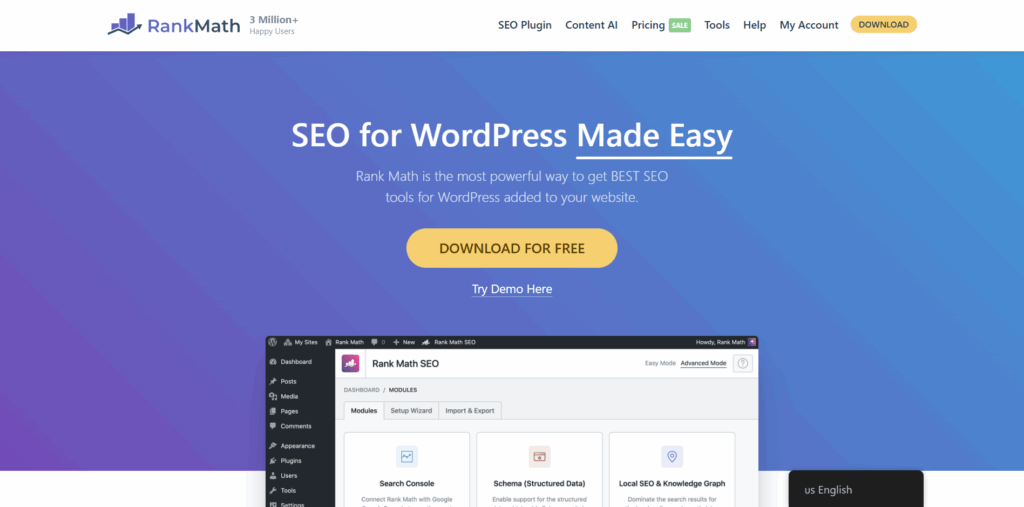
Offers built-in schema and Search Console integration. Complex category hierarchies may need manual schema adjustments to avoid duplicate markup.
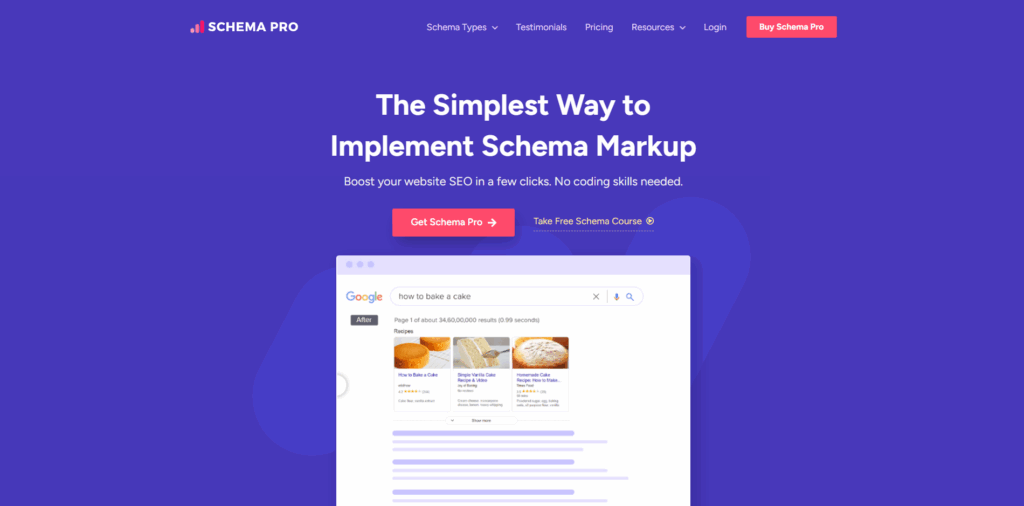
Focuses on structured data deployment across product pages. Remember that schema makes content easier to interpret, not automatically more relevant.
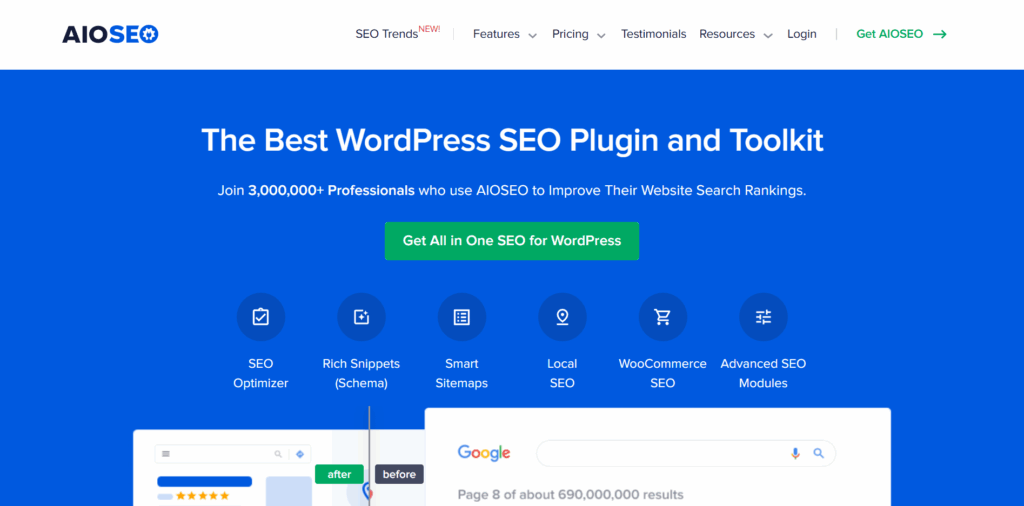
Provides WooCommerce schema and sitemap tools. Large catalogs may need sitemap exclusions to avoid bloat from unnecessary post types.
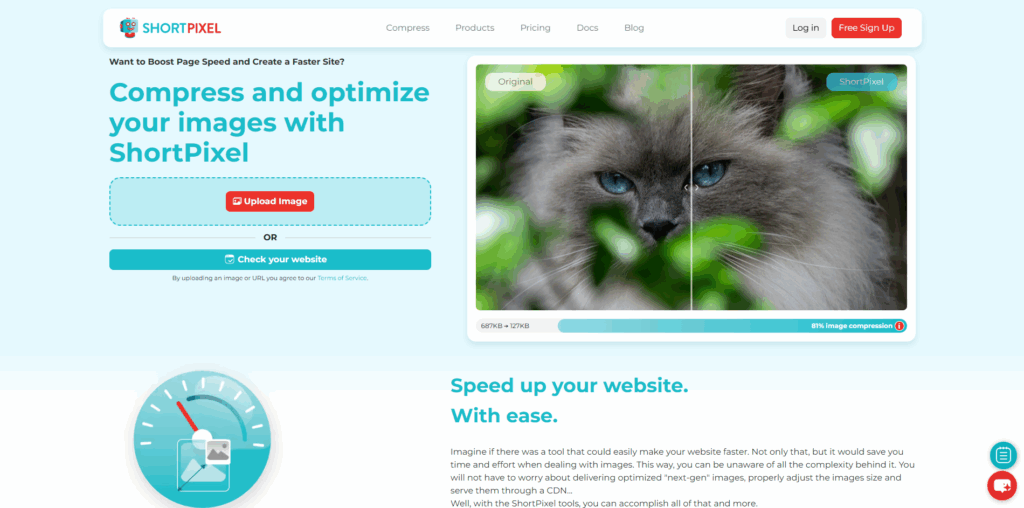
Compresses images in bulk to reduce page weight and improve load times. Performance impact depends on how image-heavy your product pages are.
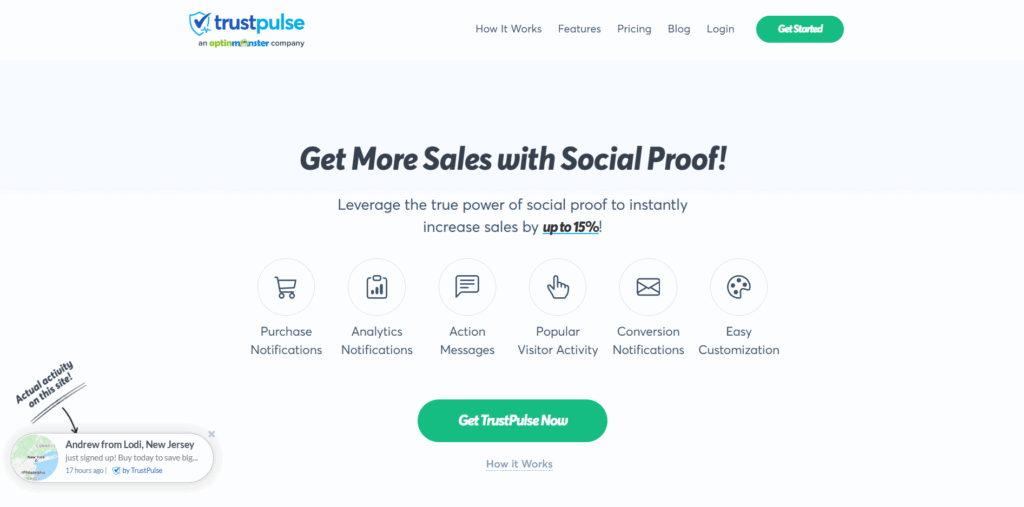
Displays recent purchase activity for social proof. Conversion impact varies and works better for impulse purchases than considered buying decisions.
If you're ready to adapt your search strategy for 2026, here's a practical starting point:
This week: Test your brand's visibility in AI search platforms. Ask relevant questions to ChatGPT, Perplexity, or Claude, and see if your business appears in responses. Document what you find, both presence and absence, tells you something.
This month: Audit your most important product pages and content pieces. Identify opportunities to make them more comprehensive, better-structured, and potentially more citable. Start with your top revenue-generating pages.
This quarter: Develop a content plan that serves both traditional and AI search. Focus on creating genuinely helpful resources that other sites and AI systems might want to reference. Consider what questions your customers actually ask before buying, not just what keywords have search volume.
The shift to AI search is measurable and appears to be accelerating. But it's not necessarily a crisis. It's an opportunity to improve how you connect with customers throughout their journey. Businesses that integrate both SEO and GEO strategies may position themselves to capture visibility wherever their customers are searching.
Search behavior will continue evolving. The businesses that adapt thoughtfully, test what works in their specific context, and build flexible strategies will likely be better positioned, regardless of how the landscape evolves.
"*" indicates required fields
"*" indicates required fields
"*" indicates required fields