Content Marketing
When a shopper types "best natural dog treats for sensitive stomachs" into Google today, they may never scroll past the first result. An AI Overview answers the question directly, pulling from a handful of sources it deems credible and well-structured. If your store's product page or blog isn't one of them, you may miss visibility when a customer is most likely to buy.
This isn't a problem exclusive to large brands with big content teams. Small ecommerce stores can, in many cases, earn those citations, but the way you build content has shifted. This article walks through what citation engines typically look for and what you can realistically do to improve your visibility in AI-generated answers.
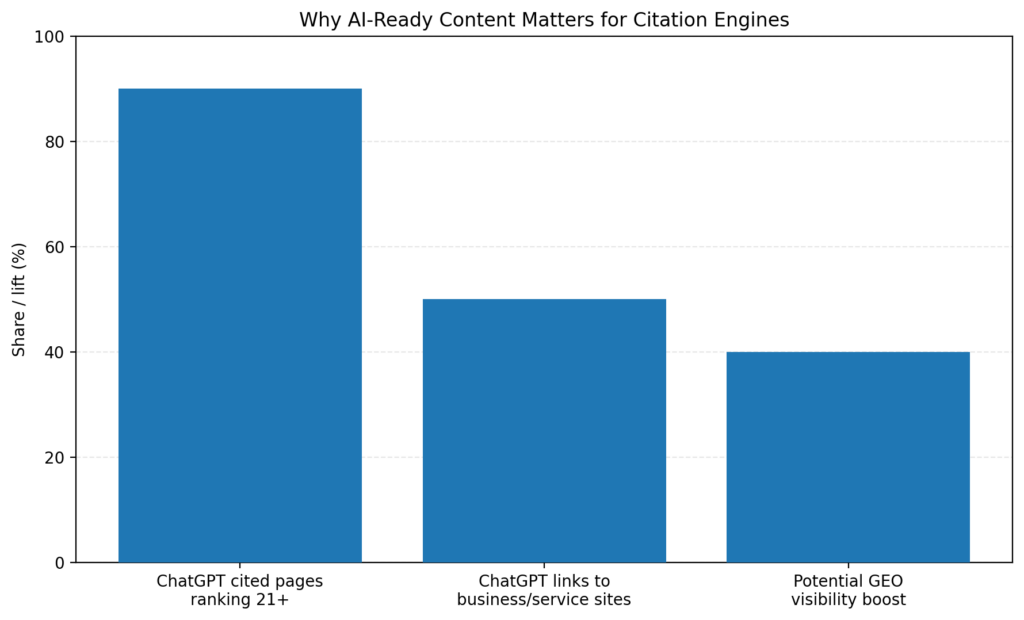
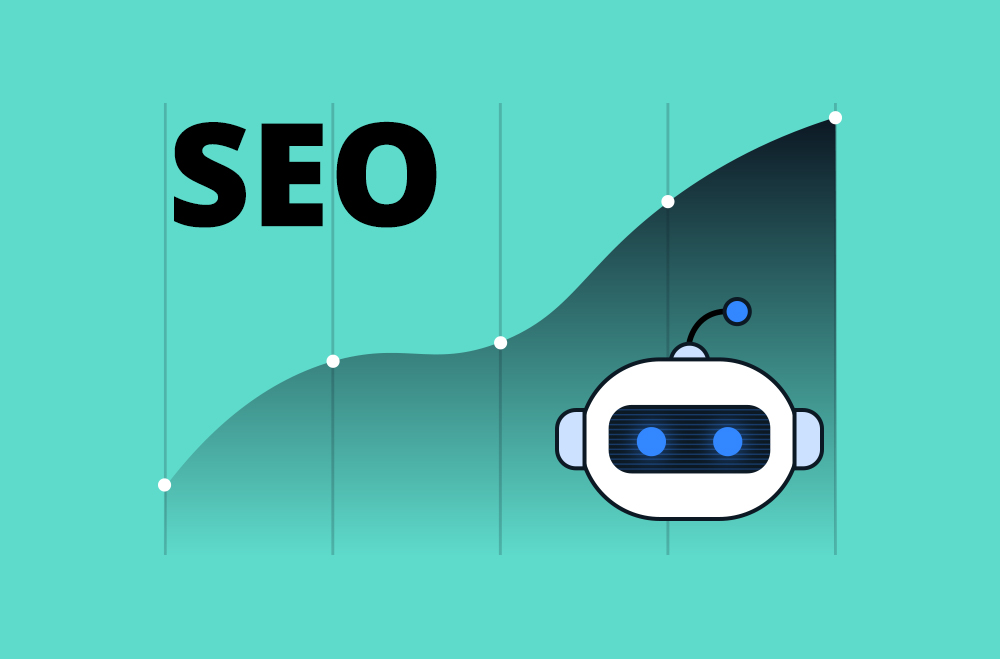
The graph shows why AI-ready content is becoming more important for visibility. Citation engines do not always choose the top-ranking pages. They often favor content that is clear, structured, trustworthy, and easy to extract. For ecommerce brands, this means better FAQs, direct answers, updated content, and strong authority signals may improve the chances of being cited in AI-generated search results.
You've likely noticed that Google, ChatGPT, and Perplexity no longer just return a list of links. They summarize answers and then cite the sources they used. Those citations are increasingly becoming a meaningful source of organic traffic for many sites. If your content is cited, you get the visibility. If it isn't, you may not appear in the answer at all.
This shift has a name in the marketing world: Generative Engine Optimization (GEO). It builds on traditional SEO and extends it. Ranking on page one is still valuable, but it no longer guarantees you'll appear in AI-generated answers. In many cases, a page ranking first in organic results can still be skipped by AI Overviews if its answer is buried several paragraphs deep, hidden behind a gate, or lacks clear author attribution.
The traffic opportunity is worth watching. According to Semrush's 2024 State of Search report, AI-driven traffic may surpass traditional search traffic by 2028, according to some projections. However, outcomes will vary depending on how quickly platforms adopt AI-powered search features. Separately, early data from Search Engine Journal's coverage of AI search behavior suggests that visitors arriving via AI search experiences may convert at higher rates than those arriving from traditional search. The findings are preliminary, and results vary across niches and study methodologies. Still, for a small ecommerce store, even a modest difference in conversion rate can matter more than raw traffic volume.
AI citation engines do not work like a simple popularity contest. They apply a different set of filters from traditional search-ranking signals, including clarity, authority, source consistency, structure, and relevance to the user's query. Understanding those filters can give brands a stronger starting point for creating content that earns citations.
AI queries tend to be longer and more conversational than traditional Google searches. Instead of typing "AI SEO tips," people ask full questions: "How do I build content that AI search engines actually cite?" Content that answers those questions clearly and with structure tends to get selected.
For your store, that means product pages and blog posts should answer specific questions directly, rather than burying the answer in a wall of copy. If someone asks, "Is this moisturizer safe for rosacea?" and the answer is somewhere in paragraph six of your product description, AI engines will likely pass over it.
According to Columbia University's 2024 GEO study, sources with strong E-E-A-T (Experience, Expertise, Authoritativeness, and Trustworthiness) are heavily favored in AI Overview citations. The same research found that mid-ranked pages with strong E-E-A-T signals are often cited more frequently than top-ranked pages that lack them, suggesting that credibility indicators can outweigh raw ranking position.
For a small store owner, this can be an advantage. You likely have genuine expertise in your niche. A fly fishing gear store run by someone who has fished for 20 years has real knowledge that a generic content farm doesn't. The challenge is making that expertise visible and credible in your content, not just assumed.
According to Ahrefs' research on AI citation patterns, AI systems often prefer recently published or updated content when selecting citations. Regularly refreshing articles with current statistics and examples may increase the likelihood of being cited in future AI responses.
This doesn't mean you need to publish constantly. Evergreen articles on your site can benefit from periodic updates, new data, updated product recommendations, or revised answers to questions your customers are actually asking.
The following changes don't require a large content team or a major budget. They require a shift in how you think about content, moving from filling pages to creating resources that answer real customer questions.
Every blog post, category page, and FAQ entry should answer its primary question in the first two to three sentences. Not after a paragraph of background. Not after a welcome. Right at the top.
If your post is titled "How to Choose the Right Size Yoga Mat," the first paragraph should directly address that question. AI engines typically pull extractable answers and tend to favor content that gets to the point quickly, rather than content that buries the answer after several paragraphs of setup.
H2 and H3 headers are among the clearer signals AI engines use to understand your content structure. Headers like "Our Amazing Products" or "Why Choose Us" aren't extractable answers. Headers like "What Size Running Shoe Should I Order?" or "How Long Does This Battery Last?" are.
Review your existing content and consider whether each header could function as a standalone question someone would actually type. If it can't, it may be worth rewriting.
FAQ sets, pillar articles, comparison briefs, and structured brand answers are among the content types that tend to earn citations in ChatGPT, Perplexity, and Google AI Overviews.
For a small store, FAQ content can contribute to long-term search visibility. Think about the questions your customers repeatedly ask via email, chat, or social media, and create dedicated answers for each. Each answer should be concise (two to four sentences), accurate, and written in plain language.
Schema markup can help make content more citation-ready by signaling to AI systems what your content covers and what questions it answers. FAQ schema, Product schema, and Article schema are all worth implementing on relevant pages.
Most WordPress and WooCommerce stores can add these through an SEO plugin without custom development. That said, test after implementation to confirm the markup renders correctly, since plugin conflicts or theme quirks can sometimes prevent structured data from outputting as expected. Google's Rich Results Test is a straightforward way to verify before and after.
Don't assume visitors or AI engines know why your store is worth listening to. If you've been running your business for a decade, say so. If you personally test every product you carry, mention it. If you have certifications, a professional background, or a specific methodology, include them on your About page and reference them in relevant content.
According to Columbia University's 2024 GEO study, structured content with clear authority signals was more likely to be surfaced in AI-generated responses. That doesn't require formal credentials; it requires being specific about what you know and why you know it.
Earning citations isn't only about what's on your website. AI engines also factor in what's being said about your brand across the web.
Building backlinks, earning credible mentions, and publishing content that positions your brand as a reliable source all contribute to how AI systems assess trustworthiness. This doesn't happen quickly, but it tends to compound over time.
Practical steps for small ecommerce owners might include contributing to industry forums, earning product features on niche review sites, or getting quoted in trade publications. Each mention can help reinforce the credibility pattern AI systems look for when deciding which sources to trust.
When you invest in both high-quality on-page content and consistent off-page presence, you're gradually building recognition within generative AI systems. Over time, that recognition may make your brand a more reliable answer in your niche.
It's easy to feel like this requires starting over with your entire website, but it doesn't. Most ecommerce stores have a small group of pages that drive the majority of their search traffic. Starting with those high-impact pages is often the most practical approach; improvements there tend to have a greater effect than spreading effort across dozens of low-traffic pages.
Here's a simple audit worth running this week:
From there, you can prioritize which pages to update first. Pages that already rank reasonably well but don't appear in AI Overviews are often good candidates; the foundational work is already in place.
The right plugins can make it easier to structure content, add schema markup, improve internal linking, update older articles, and make ecommerce pages easier for search engines and AI citation systems to interpret. These tools support the technical and editorial work needed to make your site more citation-ready. Still, they work best when the underlying content is already well-structured and genuinely useful.
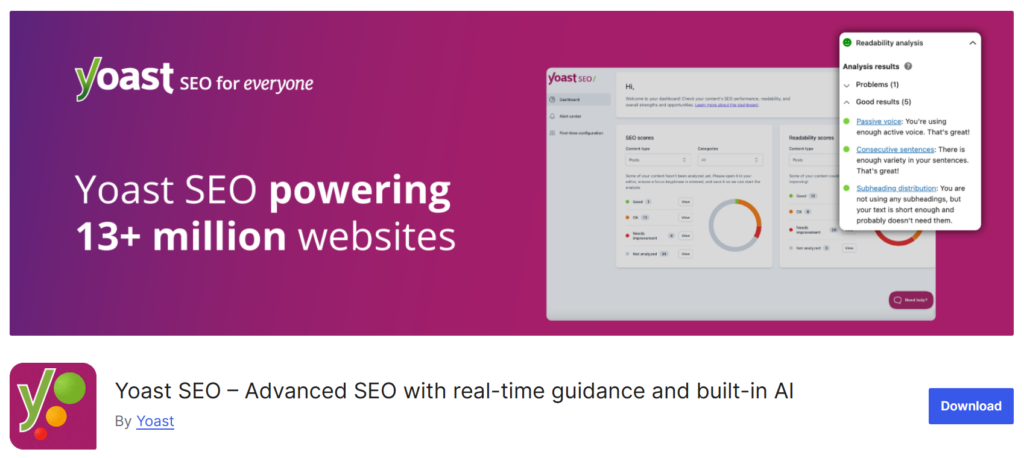
Yoast SEO helps WordPress site owners improve content structure, metadata, readability, and technical SEO. For AI-ready content, it supports schema output, content analysis, breadcrumbs, and clearer page optimization workflows.
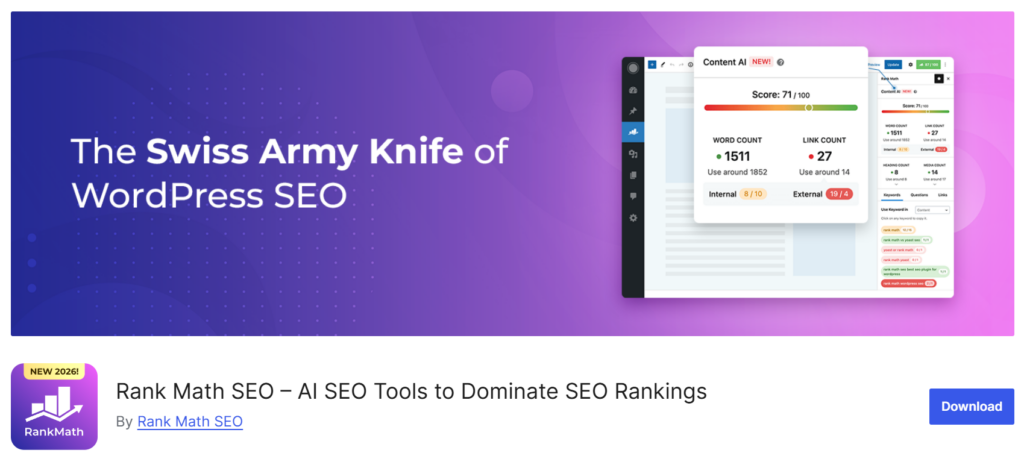
Rank Math includes tools for schema, keyword optimization, content analysis, and AI-assisted SEO workflows. It can help ecommerce teams organize pages more clearly and make important information easier for search engines to interpret.

All in One SEO (AIOSEO) provides a comprehensive WordPress SEO toolkit, including schema, sitemaps, WooCommerce SEO, local SEO, redirects, and internal linking. It's a reasonable option for stores that want one plugin to manage several SEO essentials without installing multiple tools.
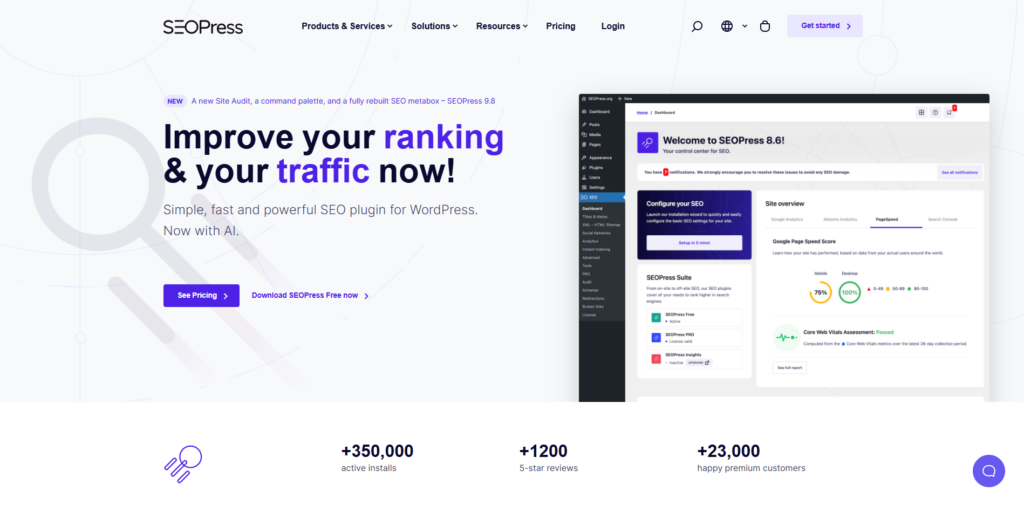
SEOPress is a privacy-focused WordPress SEO plugin that includes metadata controls, schema, XML sitemaps, redirects, and content analysis. It works well for site owners who want a clean SEO setup without adding much dashboard clutter.
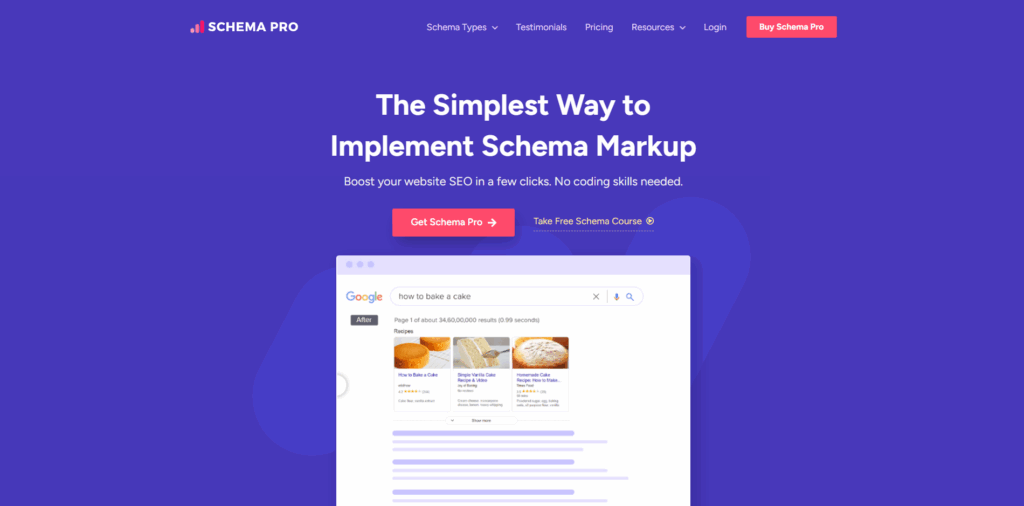
Schema Pro allows WordPress site owners to add structured data without manually writing JSON-LD code. For citation-focused content, it can help clarify page types, article details, product information, reviews, and other structured signals that AI systems use when evaluating sources.
AI-powered search appears to be here to stay. It's becoming an increasingly common way for people to look for products, compare options, and make purchasing decisions. Stores that build content structured for citation engines now may be better positioned as that behavior continues to grow.
The core requirements answering real questions clearly, demonstrating genuine expertise, and keeping content current are the same things that build trust with human readers. Optimizing for citation engines and optimizing for customers tend to reinforce each other rather than pull in different directions.
"*" indicates required fields
"*" indicates required fields
"*" indicates required fields