Customer loyalty can play an important role in long-term success for WooCommerce stores. While attracting new shoppers is essential, sustainable growth often comes from encouraging existing customers to return, spend more, and advocate for your brand. Loyalty programs, rewards systems, and well-planned retention strategies can help turn one-time buyers into repeat customers who trust your store and feel valued after every purchase. Over time, these relationships can lead to higher lifetime value and more consistent revenue.
In this guide, we'll explore how WooCommerce store owners can build effective customer loyalty programs without overcomplicating their site or disrupting the shopping experience. From points and rewards to store credits, exclusive perks, and personalized offers, you'll learn practical, easy-to-implement strategies that can improve retention, strengthen customer relationships, and create a more engaging and profitable WooCommerce store.
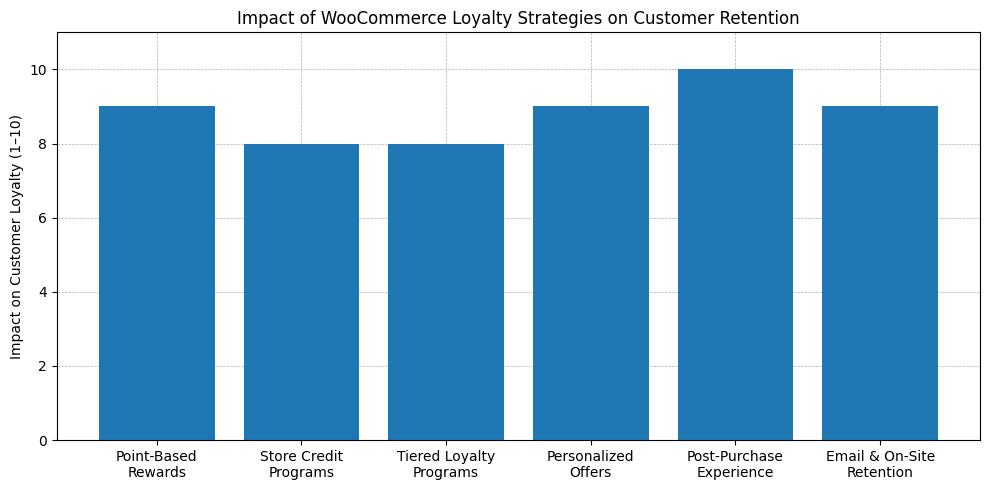
This bar graph shows common loyalty strategies and their relative impact on retention. Post-purchase experience, personalized offers, and email messaging typically drive stronger retention than points alone, though points-based rewards contribute when aligned with customer behavior.
Customer loyalty in WooCommerce refers to a shopper's ongoing preference for your store over competitors, typically driven by positive, consistent experiences across every interaction. It's built through trust, reliability, and value, not just discounts. When customers know they'll receive quality products, smooth checkout, and dependable support, they're more likely to return and build a long-term relationship with your brand.
In WooCommerce, loyalty develops over time through thoughtful retention strategies that reward engagement and reinforce confidence in your store. From easy navigation and transparent policies to personalized follow-ups and meaningful rewards, loyalty reflects how well your store meets customer expectations before, during, and after each purchase.
Key factors that influence customer loyalty include:
A loyalty-focused WooCommerce store prioritizes long-term customer relationships over one-time transactions, fostering more sustainable growth and predictable revenue.
Customer loyalty can play a meaningful role in the long-term profitability and stability of WooCommerce stores. Industry research suggests that retaining existing customers is often more cost-effective than acquiring new ones, especially as advertising costs continue to rise. Loyal customers already trust your brand, typically require less persuasion to convert, and tend to complete purchases with minimal friction. Over time, this can create a more dependable revenue base that supports sustainable growth.
Beyond repeat sales, loyal customers often become advocates for your store. They leave reviews, share recommendations, and refer friends, extending your reach without additional marketing spend. In competitive WooCommerce markets, these relationships can provide an advantage by strengthening brand credibility and reducing reliance on constant promotions or paid traffic.
Strong customer loyalty can help WooCommerce stores:
By prioritizing customer loyalty, WooCommerce store owners can build resilience, improve margins, and grow more consistently even in crowded or price-sensitive markets.
WooCommerce loyalty programs are structured systems designed to reward customers for meaningful actions, such as making purchases, creating accounts, or engaging with your brand over time. These programs encourage repeat behavior by giving shoppers a clear incentive to return, helping transform occasional buyers into long-term customers. In WooCommerce, loyalty programs are commonly powered by plugins that automatically track activity, calculate rewards, and manage redemptions without adding manual work for store owners.
When implemented correctly, loyalty programs can enhance the shopping experience rather than complicate it. Customers should immediately understand how they earn rewards and how those rewards benefit them. Clear rules, visible progress, and simple redemption options tend to keep customers engaged and motivated to continue shopping with your store.
Common types of WooCommerce loyalty programs include:
The most effective WooCommerce loyalty programs are transparent, easy to manage, and aligned with your store's long-term retention goals.
Points-based rewards are widely used in WooCommerce because they're relatively easy for customers to understand and can be motivating over time. Shoppers earn points for completing specific actions in your store, linking engagement to rewards. As points accumulate, customers may feel a sense of progress, encouraging them to return and continue shopping.
For store owners, points-based systems offer flexibility and automation. WooCommerce plugins can automatically track points, apply earning rules, and allow customers to redeem rewards without manual oversight. When clearly explained, this strategy can keep customers engaged beyond a single transaction and reinforce repeat purchasing behavior.
Common ways customers earn points include:
Benefits of points-based loyalty programs include:
Clear communication is essential so customers always understand how points are earned, tracked, and redeemed.
Across hundreds of WooCommerce sites, point systems often fail due to poor configuration rather than conceptual issues. The most common technical challenge is the timing of point calculation. Many store owners set points to be awarded immediately at order placement, which creates problems when orders are cancelled or refunded.
Configure your points plugin to award points only after orders move to "completed" status. This prevents point abuse and reduces the need for manual adjustments. In WooCommerce, you can typically set this in your loyalty plugin's settings under "Point Earning Rules" or a similar section.
Another frequent issue: point display inconsistencies across different page builders or themes. If you're using Elementor, Divi, or custom themes, test point displays on product pages, cart, and account pages before launch. Some plugins cache point balances poorly, leading to customer confusion when the points displayed don't match the actual balances at checkout.
Performance is also worth monitoring. Point calculation happens during checkout, and poorly coded plugins can add 500ms+ to load times. Test with Query Monitor or similar tools to ensure your loyalty plugin isn't creating database bottlenecks on high-traffic stores.
Converting loyalty points into store credit can make rewards feel more tangible and valuable to WooCommerce customers. Unlike abstract point systems, store credit closely resembles real money, which may motivate shoppers to redeem their rewards sooner. This can increase repeat purchases while keeping spending within your store, rather than directing customers to external discounts.
For WooCommerce store owners, store credit programs offer flexibility and control. Credits can be applied automatically at checkout, expire after a set period, or be limited to specific products or categories. This approach can balance customer satisfaction with revenue protection, ensuring rewards drive meaningful engagement rather than one-time redemptions.
Store credits can be used for:
When clearly explained and easy to redeem, store credit can become an effective tool for long-term customer retention in WooCommerce.
Tiered loyalty programs reward customers based on their level of spending or engagement over time. Instead of offering the same benefits to everyone, WooCommerce stores create multiple tiers that customers can progress through as they shop more frequently or reach specific milestones. This structure can encourage long-term commitment by giving shoppers a clear incentive to stay active and move up to higher-value tiers.
For WooCommerce stores, tiered programs can be especially effective because they recognize and reward your most valuable customers. Higher tiers unlock stronger perks, which may make loyal shoppers feel appreciated and motivated to maintain their status. When combined with clear messaging and attainable thresholds, tiered programs can help improve retention and average order value.
Examples of tier-based benefits include:
Tiered loyalty programs often work particularly well for WooCommerce stores with frequent repeat purchases, subscriptions, or high-value product lines.
Setting up tiered programs in WooCommerce requires careful planning around user role management and conditional logic. Most loyalty plugins handle tier assignment automatically, but integration with member-only content or pricing can get complex.
If you're using plugins like WooCommerce Memberships alongside your loyalty program, ensure that tier upgrades trigger the correct membership-level changes. This typically requires configuring a webhook or writing custom integration code. Without proper setup, customers might reach a new tier but not receive the promised benefits, which can significantly damage trust.
For stores running on resource-limited hosting (shared or basic VPS), tier calculation can strain your database when checking customer qualification across multiple criteria. Consider caching the tier status in user meta rather than recalculating it on every page load. This is especially important if you display tier badges or benefits on product pages or the account dashboard.
Personalization can play a meaningful role in building strong customer loyalty for WooCommerce stores. When shoppers feel recognized as individuals rather than anonymous buyers, they may be more likely to return and engage with your brand. Personalized experiences can show customers that your store understands their needs, preferences, and shopping behavior, which helps build trust and long-term relationships.
In WooCommerce, personalization doesn't require complex or expensive systems. Even small, targeted adjustments can improve retention and repeat purchases. By using customer data such as purchase history, browsing behavior, or engagement levels, store owners can deliver more relevant offers and communications that feel timely and valuable.
Simple personalization strategies include:
When applied consistently, personalization can help WooCommerce stores create meaningful experiences that encourage customers to return.
Customer loyalty isn't built on rewards alone. While points and discounts play a role, long-term retention depends heavily on the overall experience customers have before, during, and after each purchase. A smooth checkout, clear communication, and reliable fulfillment help build trust, reduce friction, and give customers confidence to return without needing constant incentives.
Strong retention strategies focus on consistency and support. When customers feel informed and cared for after they buy, they may develop an emotional connection with your brand. These experiences can reinforce loyalty by making your WooCommerce store feel dependable, professional, and easy to do business with over time.
Beyond post-purchase touchpoints, ongoing communication keeps your store top of mind. Subtle on-site messaging and well-timed emails can encourage repeat visits without overwhelming users. When done correctly, these tactics can support retention naturally and strengthen long-term customer relationships.
These strategies complement rewards programs and can help sustain customer loyalty even when discounts aren't the main motivator.
Measuring customer loyalty helps WooCommerce store owners determine whether their retention strategies are working. Loyalty is not just about how often customers buy, but how much value they generate over time and how consistently they choose your store over competitors. By regularly reviewing key metrics, you can identify trends, spot weaknesses, and improve the overall customer experience.
WooCommerce provides built-in analytics, and many loyalty or marketing plugins offer deeper insights into customer behavior. Tracking the right data helps you refine rewards, personalize messaging, and optimize your loyalty programs for long-term growth rather than short-term gains.
These metrics should be reviewed together, not in isolation. A balanced view helps ensure your loyalty efforts encourage repeat purchases while maintaining a smooth and profitable shopping experience.
From working with client stores at various scales, we've found that raw metrics can be misleading without context. A 25% repeat purchase rate might seem low, but for stores selling high-ticket, infrequent-purchase items (furniture, appliances), that can actually indicate strong loyalty. Compare your metrics to your specific product category, not generic e-commerce benchmarks.
Watch for the gap between point earnings and redemptions. If customers are accumulating points but rarely redeeming them, your rewards either aren't compelling enough or the redemption process is too frictionless. In our client sites, we've found that redemption rates below 40% annually usually signal program design issues rather than customer disinterest.
Customer lifetime value calculations in WooCommerce can also be tricky if you're not properly accounting for returns and refunds. Many analytics plugins calculate CLV using gross order totals, inflating your numbers. Use net revenue (after refunds) for more accurate long-term planning.
Successful WooCommerce loyalty programs are designed to support the customer journey, not complicate it. Rewards should feel intuitive and valuable, with clear explanations of how customers earn and redeem them. When loyalty features integrate smoothly into the shopping experience, customers are more likely to participate and remain engaged over time.
Performance and usability are just as important as incentives. A well-built loyalty program should load quickly, work seamlessly on mobile devices, and never interrupt checkout flow. Testing your program regularly helps ensure rewards motivate purchases without causing confusion, friction, or abandoned carts.
By prioritizing clarity, speed, and consistency, WooCommerce loyalty programs can feel like a genuine benefit rather than an extra step. When customers clearly see the value, participation, and long-term retention tend to improve.
Even well-intentioned loyalty programs can fail if they create confusion or friction for customers. Many WooCommerce store owners add too many rules, conditions, or restrictions, which can make rewards feel difficult to earn or not worth the effort. When customers cannot easily understand how a program works, participation often drops, and trust can suffer.
Another common issue is treating loyalty programs as a "set it and forget it" feature. Without regular monitoring, testing, and promotion, rewards programs can lose visibility and relevance. Successful loyalty strategies evolve with customer behavior, device usage, and buying patterns to remain effective over time.
Avoiding these mistakes helps ensure your WooCommerce loyalty program remains clear, motivating, and profitable while strengthening long-term customer relationships.
Not every WooCommerce store benefits from a formal loyalty program. If you sell highly specialized products with very infrequent purchase cycles, think custom furniture, wedding dresses, or major appliances, the complexity of maintaining a points system may outweigh its value. Customers who buy once every five years aren't motivated by point accumulation.
Similarly, if your store already operates on razor-thin margins, loyalty discounts can quickly erode profitability. We've seen stores where 20% of customers redeemed points, effectively reducing margins below break-even on repeat purchases. In these cases, focusing on exceptional service and strategic email marketing often delivers better retention without the pressure on margins.
Stores with very small customer bases (under 200 active customers annually) might also find that loyalty programs create more administrative overhead than they deliver in value. The plugin costs, setup time, and ongoing management often make more sense once you have enough purchase volume to justify automation.
Points and rewards plugins enable WooCommerce store owners to encourage repeat purchases by awarding customers points for specific actions, such as placing orders or leaving reviews. Points can be redeemed for discounts or perks.
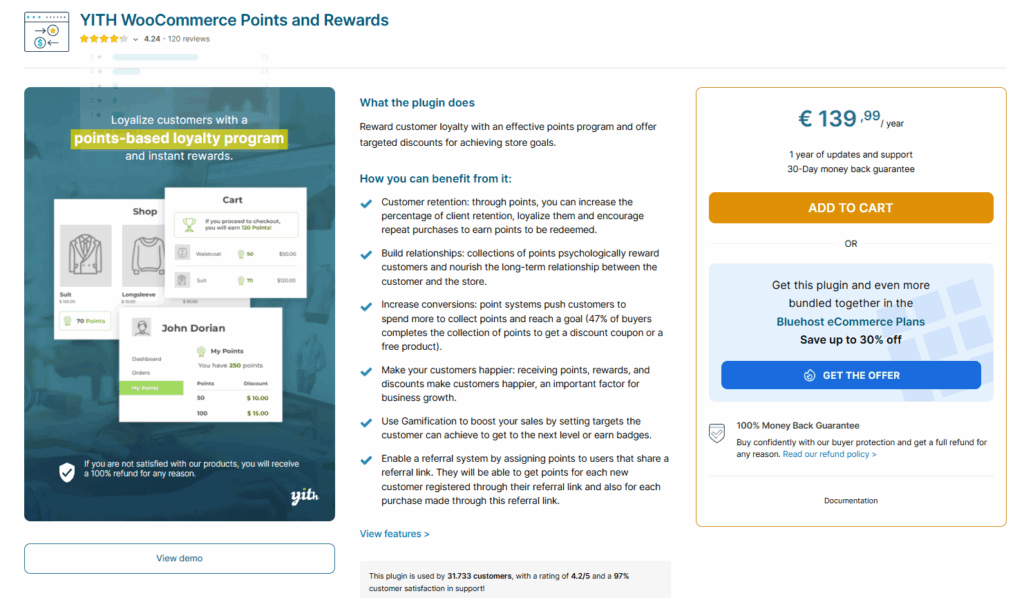
Offers granular control over conversion rates and expiration rules for preventing indefinite points liability. If you run promotions affecting point values, test the interaction carefully.
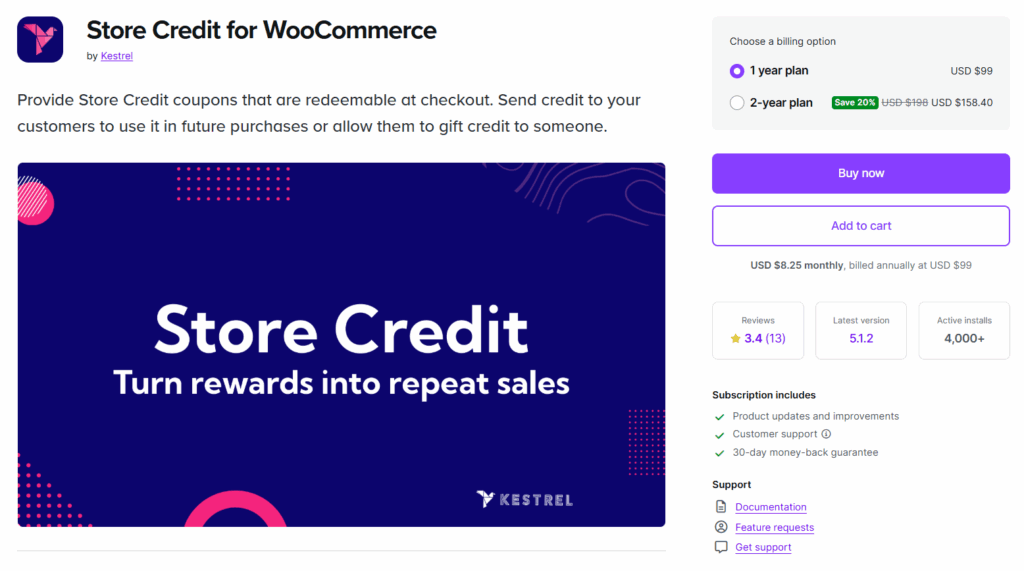
Store credits work exactly like cash, which customers find more valuable than points. Handles accounting cleanly, including converting refunds to credits, which helps both retention and cash flow.
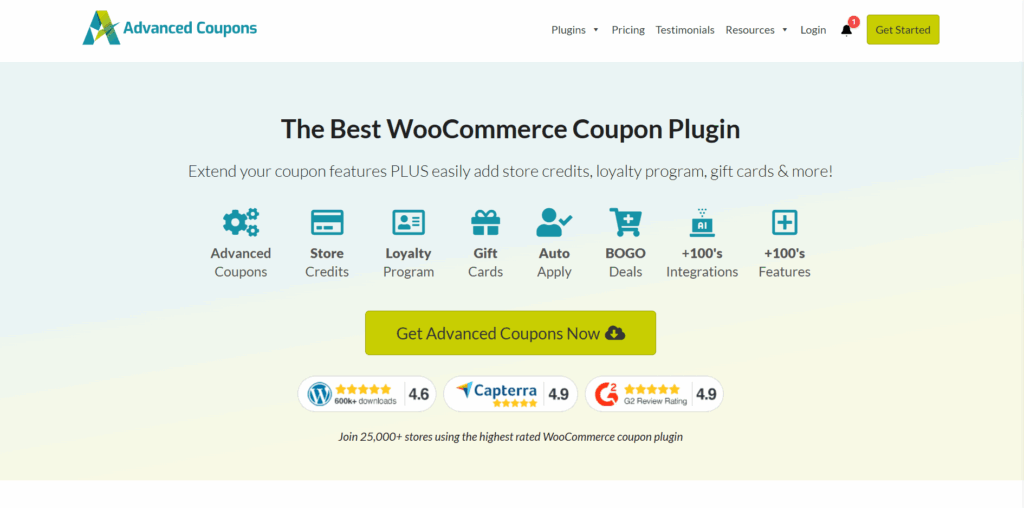
Integrates loyalty with WooCommerce's coupon system. Auto-apply functionality removes friction, though it can affect coupon stacking behavior when you run multiple promotions.
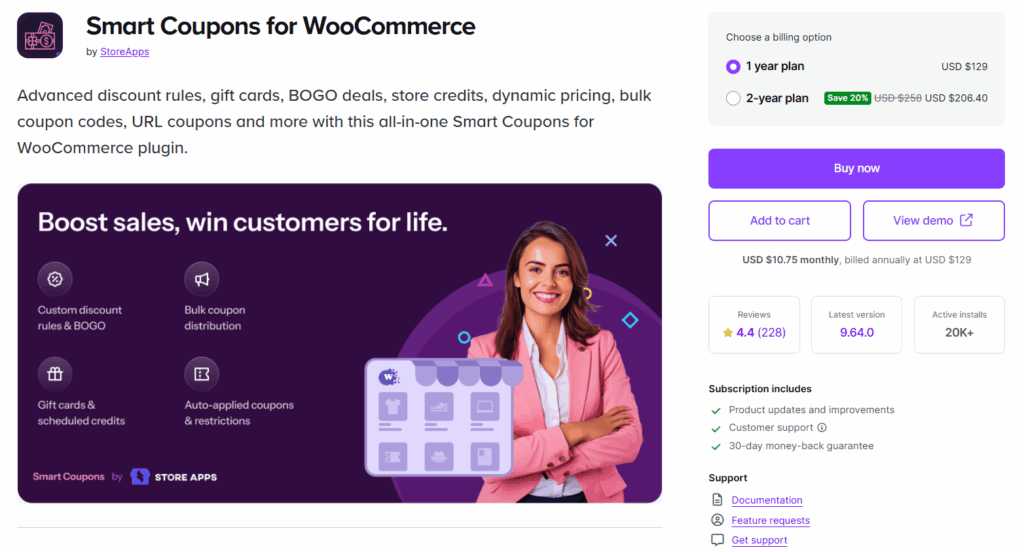
Automates coupon delivery and personalized offers for repeat customers.
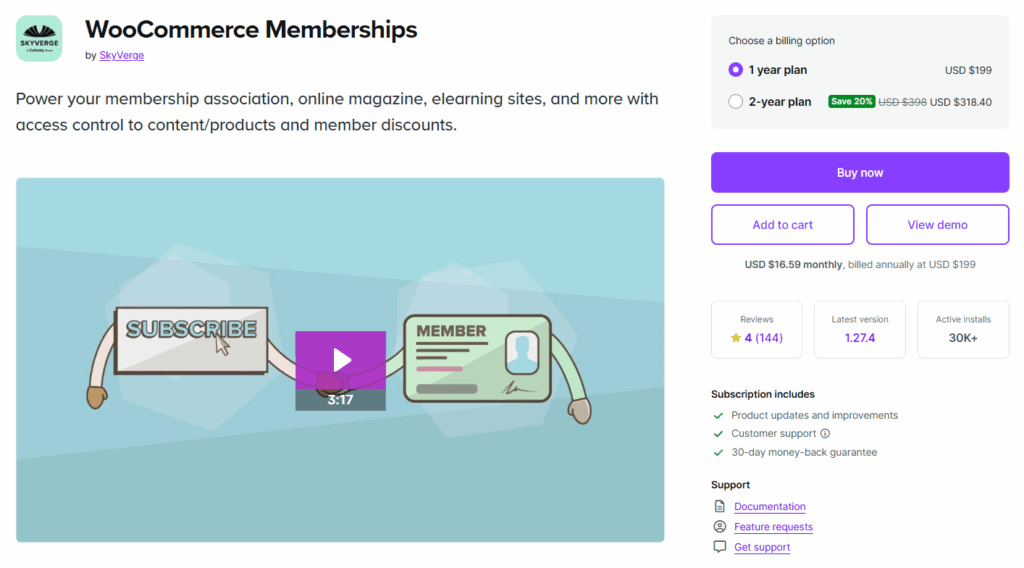
Works well when you have clear value differentials: exclusive products, early access, or preferential pricing. Managing the permission structure gets complex as your catalog grows.
Building customer loyalty in WooCommerce involves more than just discounts. Points, rewards, and retention programs can help create meaningful relationships that drive repeat business and sustainable growth. When combined with strong user experience, personalization, and clear communication, loyalty programs can become a valuable asset for many WooCommerce stores.
The most effective approach typically starts small, implements a simple points system or store credit program, monitors customer responses, and adjusts based on actual behavior rather than assumptions. Test reward thresholds, track redemption rates, and ensure your program enhances, not complicates, the shopping experience.
If you're working with a developer or agency to implement loyalty features, ensure they understand WooCommerce performance considerations and can integrate loyalty systems without impacting load times or checkout flow. Proper technical implementation matters as much as program design.
Key areas to verify during implementation:
For stores managing complex loyalty implementations across multiple sites or product lines, working with specialists who understand both the WooCommerce platform and retention strategy can help avoid common pitfalls. Experience with real-world deployments, not just plugin installation, often makes the difference between a loyalty program that drives engagement and one that creates support tickets.
If you're evaluating agencies or developers for loyalty program work, ask about their approach to performance testing, their experience with edge cases in point calculations (cancellations, partial refunds, subscription renewals), and how they handle tier-upgrade workflows. These technical details reveal whether they've actually managed production loyalty programs at scale.
"*" indicates required fields
"*" indicates required fields
"*" indicates required fields